Chicken On The Hill
A Three-Part Documentary Series
In 1970, Pittsburgh Pirates slugger Willie Stargell did something quietly extraordinary. At the height of his fame, he took his baseball earnings and opened a fried chicken restaurant in the Hill District - Pittsburgh’s historic Black neighborhood, a place few white fans would venture into. He called it Chicken on the Hill. And he made a promise: hit a home run, and everybody eats for free. It was a small gesture. It was a profound one. In a city cracking along every seam of race and class, Willie Stargell was trying to feed people - all people and bring them to the same table.
That spirit animates this film. Chicken on the Hill is the story of the 1970s Pittsburgh Pirates - one of baseball’s most electrifying and unsung dynasties — and of the city, the community, and the era that made them. Guided by two lifelong Pirates fans, Wali Jamal and Jeff Stimmel, the series travels deep into Pittsburgh’s past and present to ask what it really means to be a city, a team, and a family.
Wali grew up in the projects on Pittsburgh’s South Side. Jeff grew up in the suburbs. They rooted for the same team their whole lives - and barely knew the other’s world existed. Wali Jamal is a celebrated stage actor and the only performer in the world to have appeared in all ten of August Wilson’s Pittsburgh Cycle plays — a living link to the Black artistic heritage of the Hill District. Jeff Stimmel is a film and television producer who got his start at Mister Rogers’ Neighborhood and has spent his career telling stories about places left behind. Together, they meet the people who built this story: retired Pirates players, civil rights leaders, local historians, musicians, and fans whose lives were shaped by the team in ways they are only beginning to understand.
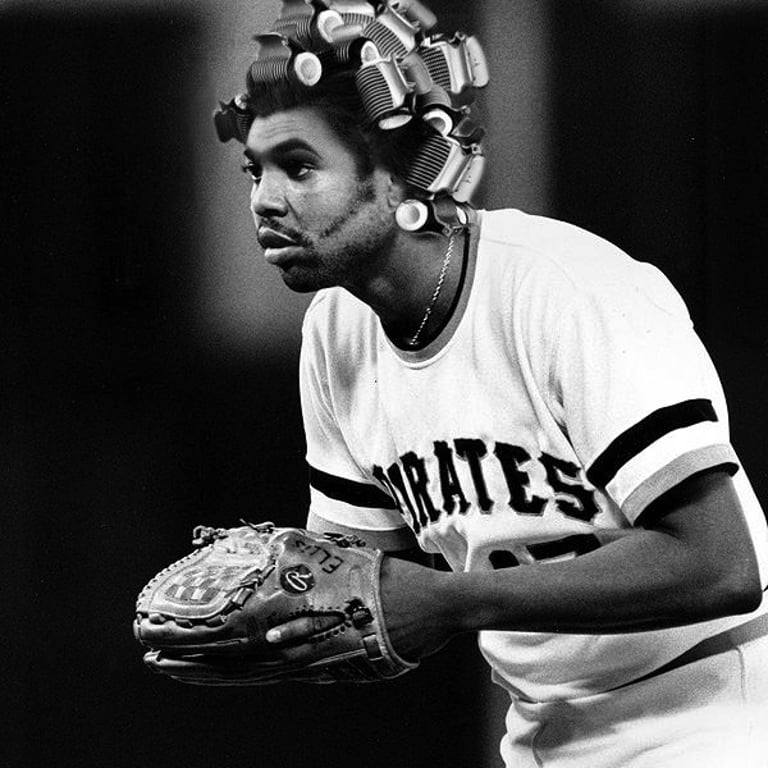
At the heart of the series is a dynasty built on radical inclusion. Beginning in 1950, baseball executive Branch Rickey the man who had signed Jackie Robinson to the majors - took over a Pirates franchise that had just lost 96 games and began quietly assembling the most racially integrated roster in baseball. By September 1, 1971, the Pirates made history: the first team to ever field an all-Black lineup in a Major League game. Led by Roberto Clemente and Willie Stargell, they won six division titles, two National League pennants, and two World Series. They were brash, joyful, and unafraid - a team that played with the flair of the decade itself.
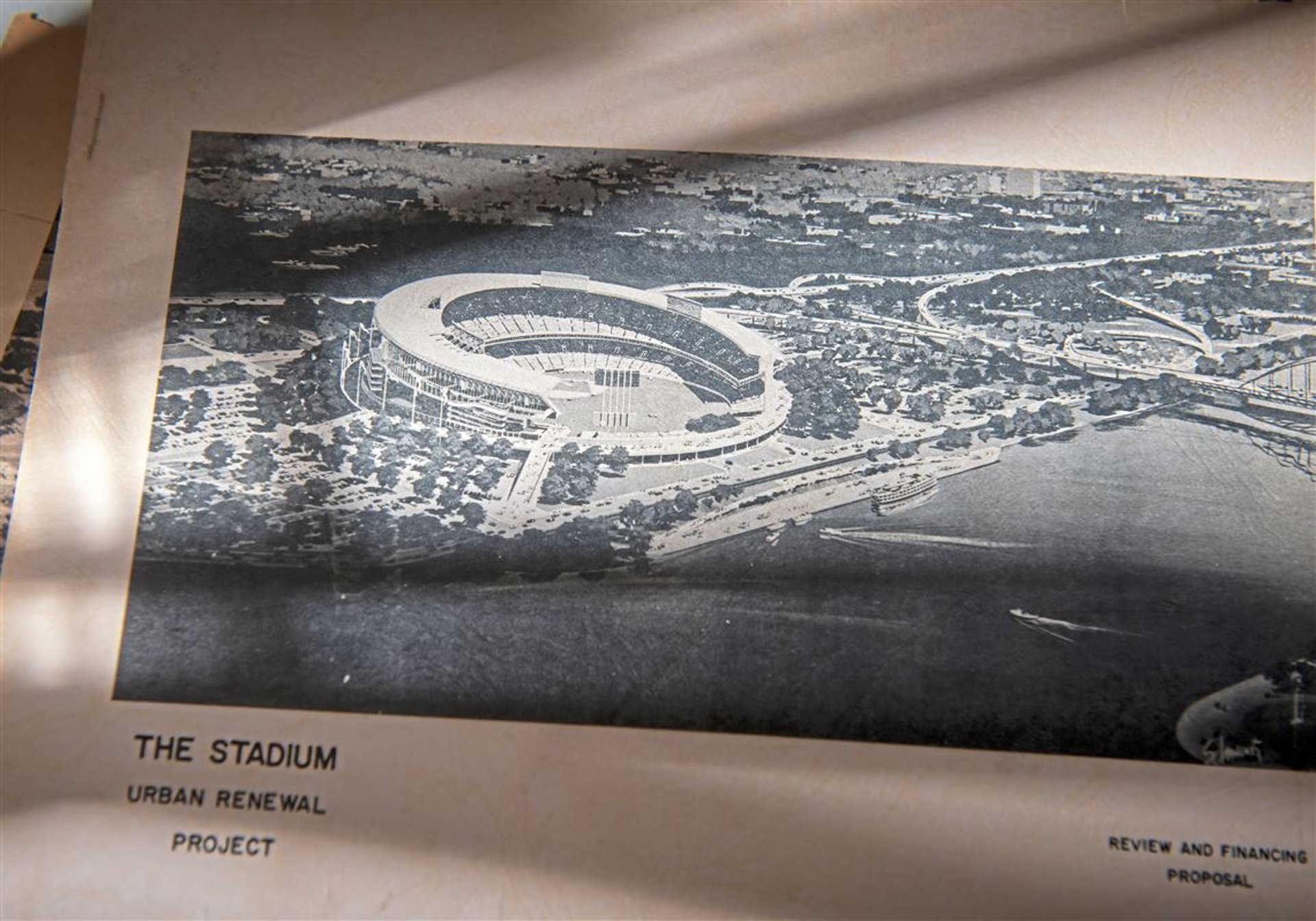
But Pittsburgh’s story runs deeper than baseball. The film confronts the 1956 demolition of the lower Hill District, when the city bulldozed one of America’s most vibrant Black neighborhoods - home to jazz legends, civil rights trailblazers, and the Pittsburgh Courier, one of the nation’s great Black newspapers - to build a sports arena, with promises of restitution that never came. And it follows the collapse of the steel industry in the 1980s, which devastated white working-class Pittsburgh just as urban renewal had devastated Black Pittsburgh a generation before: entire towns vanishing, a region leading the country in suicides, a way of life gone overnight.
The 1979 Pirates are the beating heart of the series: disco-dancing, cocaine-fueled, magnificently chaotic, and somehow deeply right for their moment. When Willie Stargell heard “We Are Family” by Sister Sledge on the radio after a come-from-behind win, he cranked it up in the dugout and declared: This is our song. That summer, Black and white Pittsburgh danced together. But did the music last? Did the winning? And when the mills closed and the heroes scattered, what was left?
Chicken on the Hill is a film about baseball the way the best sports documentaries are always about something more - about who we are when we cheer together, about who gets remembered and who gets left out, about the gap between the city we imagine and the city we actually build. It is a story rooted in Pittsburgh, but it belongs to every community that has ever faced the wreckage of a world changing faster than people can survive - and tried, against the odds, to stay a family. Documentary Series
In 1970, Pittsburgh Pirates slugger Willie Stargell did something quietly extraordinary. At the height of his fame, he took his baseball earnings and opened a fried chicken restaurant in the Hill District - Pittsburgh’s historic Black neighborhood, a place few white fans would venture into. He called it Chicken on the Hill. And he made a promise: hit a home run, and everybody eats for free. It was a small gesture. It was a profound one. In a city cracking along every seam of race and class, Willie Stargell was trying to feed people - all people and bring them to the same table.
That spirit animates this film. Chicken on the Hill is the story of the 1970s Pittsburgh Pirates - one of baseball’s most electrifying and unsung dynasties — and of the city, the community, and the era that made them. Guided by two lifelong Pirates fans, Wali Jamal and Jeff Stimmel, the series travels deep into Pittsburgh’s past and present to ask what it really means to be a city, a team, and a family.
Wali grew up in the projects on Pittsburgh’s South Side. Jeff grew up in the suburbs. They rooted for the same team their whole lives - and barely knew the other’s world existed. Wali Jamal is a celebrated stage actor and the only performer in the world to have appeared in all ten of August Wilson’s Pittsburgh Cycle plays — a living link to the Black artistic heritage of the Hill District. Jeff Stimmel is a film and television producer who got his start at Mister Rogers’ Neighborhood and has spent his career telling stories about places left behind. Together, they meet the people who built this story: retired Pirates players, civil rights leaders, local historians, musicians, and fans whose lives were shaped by the team in ways they are only beginning to understand.
At the heart of the series is a dynasty built on radical inclusion. Beginning in 1950, baseball executive Branch Rickey the man who had signed Jackie Robinson to the majors - took over a Pirates franchise that had just lost 96 games and began quietly assembling the most racially integrated roster in baseball. By September 1, 1971, the Pirates made history: the first team to ever field an all-Black lineup in a Major League game. Led by Roberto Clemente and Willie Stargell, they won six division titles, two National League pennants, and two World Series. They were brash, joyful, and unafraid - a team that played with the flair of the decade itself.
But Pittsburgh’s story runs deeper than baseball. The film confronts the 1956 demolition of the lower Hill District, when the city bulldozed one of America’s most vibrant Black neighborhoods - home to jazz legends, civil rights trailblazers, and the Pittsburgh Courier, one of the nation’s great Black newspapers - to build a sports arena, with promises of restitution that never came. And it follows the collapse of the steel industry in the 1980s, which devastated white working-class Pittsburgh just as urban renewal had devastated Black Pittsburgh a generation before: entire towns vanishing, a region leading the country in suicides, a way of life gone overnight.
The 1979 Pirates are the beating heart of the series: disco-dancing, cocaine-fueled, magnificently chaotic, and somehow deeply right for their moment. When Willie Stargell heard “We Are Family” by Sister Sledge on the radio after a come-from-behind win, he cranked it up in the dugout and declared: This is our song. That summer, Black and white Pittsburgh danced together. But did the music last? Did the winning? And when the mills closed and the heroes scattered, what was left?
Chicken on the Hill is a film about baseball the way the best sports documentaries are always about something more - about who we are when we cheer together, about who gets remembered and who gets left out, about the gap between the city we imagine and the city we actually build. It is a story rooted in Pittsburgh, but it belongs to every community that has ever faced the wreckage of a world changing faster than people can survive - and tried, against the odds, to stay a family.